
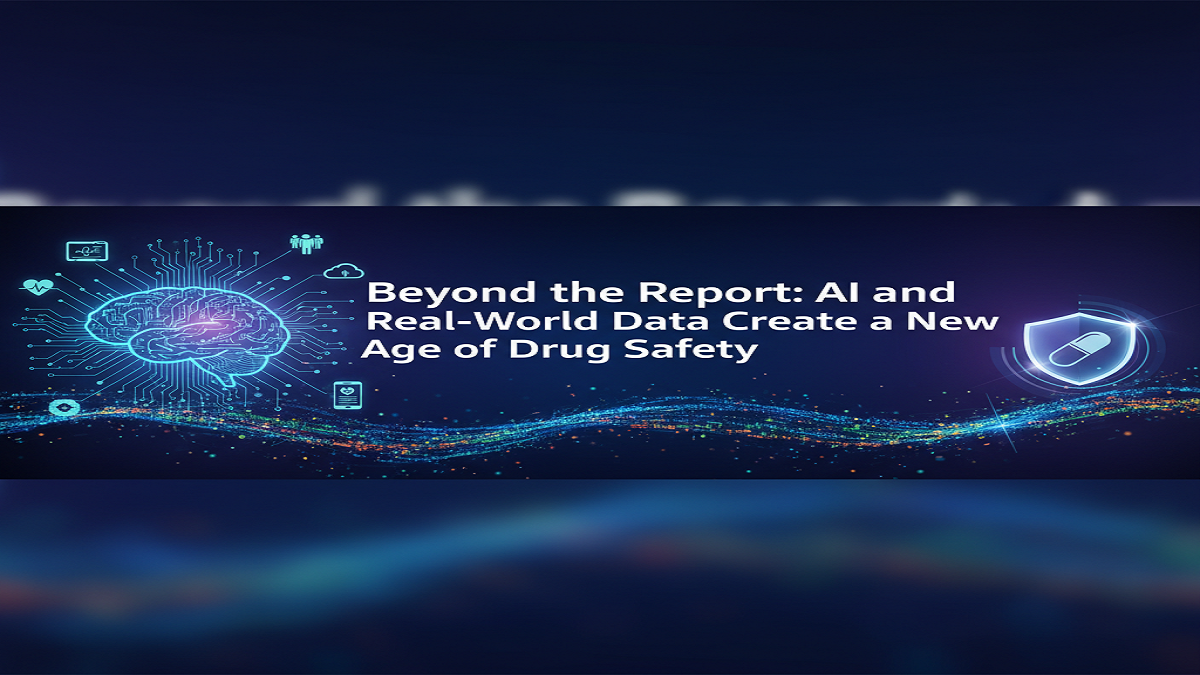
Keeping tabs on drug safety after they hit the market is about to get a whole lot better. Instead of just waiting for bad news, the drug world is starting to use AI and real-world data to catch problems early. This tech boost should make drugs safer for people, speed up the approval process, and change how we care for patients.
The Backstory: From Crisis to Constant Watch
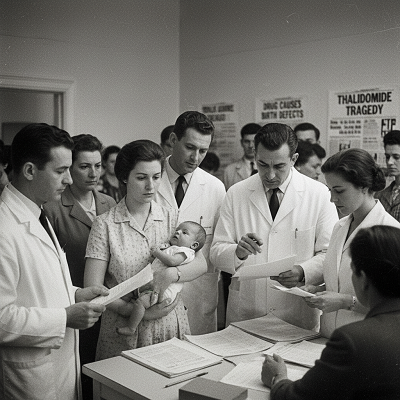
How we monitor drug safety now came about because of some serious public health disasters, like the thalidomide mess in the ’60s. That event, where a drug caused birth defects, showed why we need to watch drugs carefully after they’re available. We usually depend on reports from doctors and patients to catch any bad reactions to drugs.
But this way of doing things isn’t perfect. A lot of bad reactions don’t get reported, the reports aren’t always great quality, and it takes a while to notice a problem.
Things started to shift when we realized there was a ton of data out there that could help us spot issues sooner.
What’s Happening Now: AI and Real-World Data to the Rescue
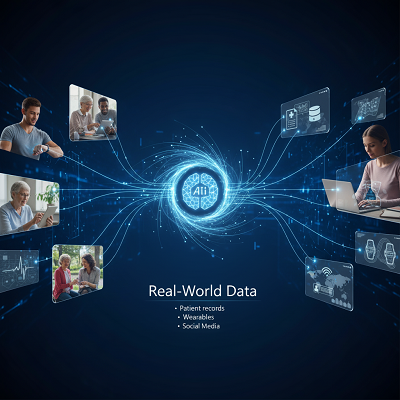
These days, AI and real-world data are making a big change in drug safety, turning it from a slow, manual process into something smart and driven by data.
Real-World Data: Casting a Wider Net
This stuff includes all sorts of info about how people are doing and how they get healthcare, like:
- Patient records and insurance claims
- Patient groups and disease databases
- Wearable devices and remote monitoring
- Social media and patient forums
When we look at this data, we get a picture of how a drug works in the real world. This is often way different from the carefully controlled setting of a clinical trial. This data helps us see subtle, long-term, or rare safety problems that might only show up once a drug is used by lots of people.
AI: The Speedy Analyzer
AI, especially machine learning and natural language processing, gives us the tools to deal with all this complex data.

- Smart Data Sorting: AI can read and organize info from doctor’s notes, reports, and social media, pulling out key stuff like drug names, doses, and bad reaction terms.
- Better Problem Spotting: AI can look at tons of data to see patterns that humans might miss. This means finding safety issues faster and cutting down on false alarms.
- Predicting Problems: By learning from past data, AI can predict who’s likely to have a bad reaction to a drug before it causes harm.
What the Experts and Regulators Say
Folks in the know think using AI and real-world data is a must.
One data scientist at a big drug company said it’s helping them move from just spotting problems after they happen to predicting them and stopping them.
Groups like the FDA and EMA are pushing for the use of these technologies.
- The FDA has put out guidelines on using AI in drug development, saying it needs to be clear how it works and that the level of review depends on how much power the AI has in making decisions.
- Regulators say that while AI can make things faster, humans still need to be involved, especially in figuring out if a bad event was really caused by the drug.
Challenges and What It Means
Even though this could be a huge step forward, there are some things to consider.
Challenges
Data Quality and Getting It All Together: Real-world data is often messy and spread out across different systems, making it hard to combine and use.
AI Bias: If the data used to train AI isn’t diverse enough, the AI might miss safety issues in certain groups of people.
Explaining AI: Some AI models are like black boxes, making it hard to understand why they flagged a certain safety issue. To get regulators on board, we need AI that can explain its reasoning.
Privacy: Using tons of patient data raises ethical concerns that need to be addressed with careful data protection measures.
What It Means:
If we do this right, it could:
- Make Drugs Safer: Catching bad reactions early means faster action, better labels, and sometimes even pulling a drug off the market to save lives.
- Predict Risk for Individuals: AI could one day look at a person’s genes, medical history, and real-time data to predict their risk of a bad reaction.
- Make Things More Efficient: Automating routine tasks frees up drug safety pros to focus on more complex work.
- Improve Global Health Watch: By combining data from all over the world, we can get a real-time view of a drug’s safety profile and respond faster to global health threats.
Using AI and real-world data isn’t just a small step; it’s a big change in how we handle drug safety. By moving from watching and waiting to predicting and preventing, the drug industry is heading toward a future where drugs are not only made faster but also watched with incredible care and precision.